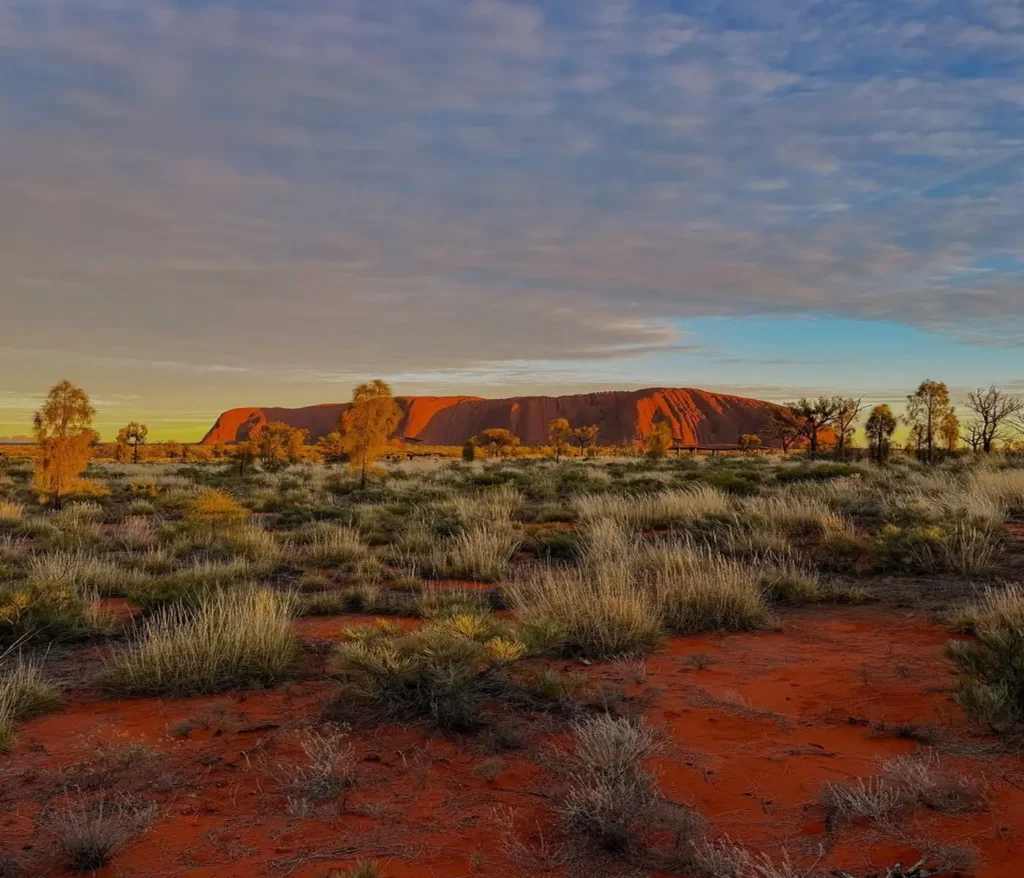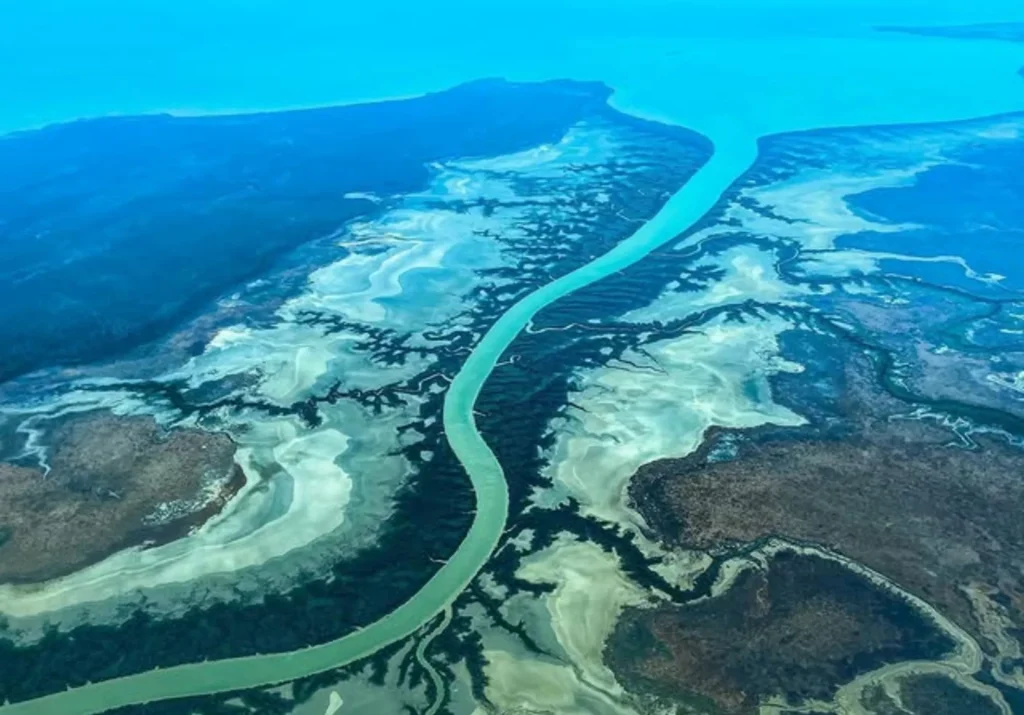
Kakadu National Park, in the heart of Australia’s Northern Territory, is one of the most diverse and culturally rich places on earth. Spanning over 20,000 square kilometres of Aboriginal land, it has wetlands, tidal flats, stone escarpments and ancient Aboriginal rock art sites. It’s a living cultural landscape where thousands of years of Indigenous culture, Aboriginal land rights and traditional ecological knowledge come together.
So, who looks after Kakadu National Park? The answer is in a joint management arrangement between Parks Australia and the Traditional Owners—Aboriginal people who have an ancestral connection to this land that is fundamental to its story, its care and its future.
Contents
Joint Management
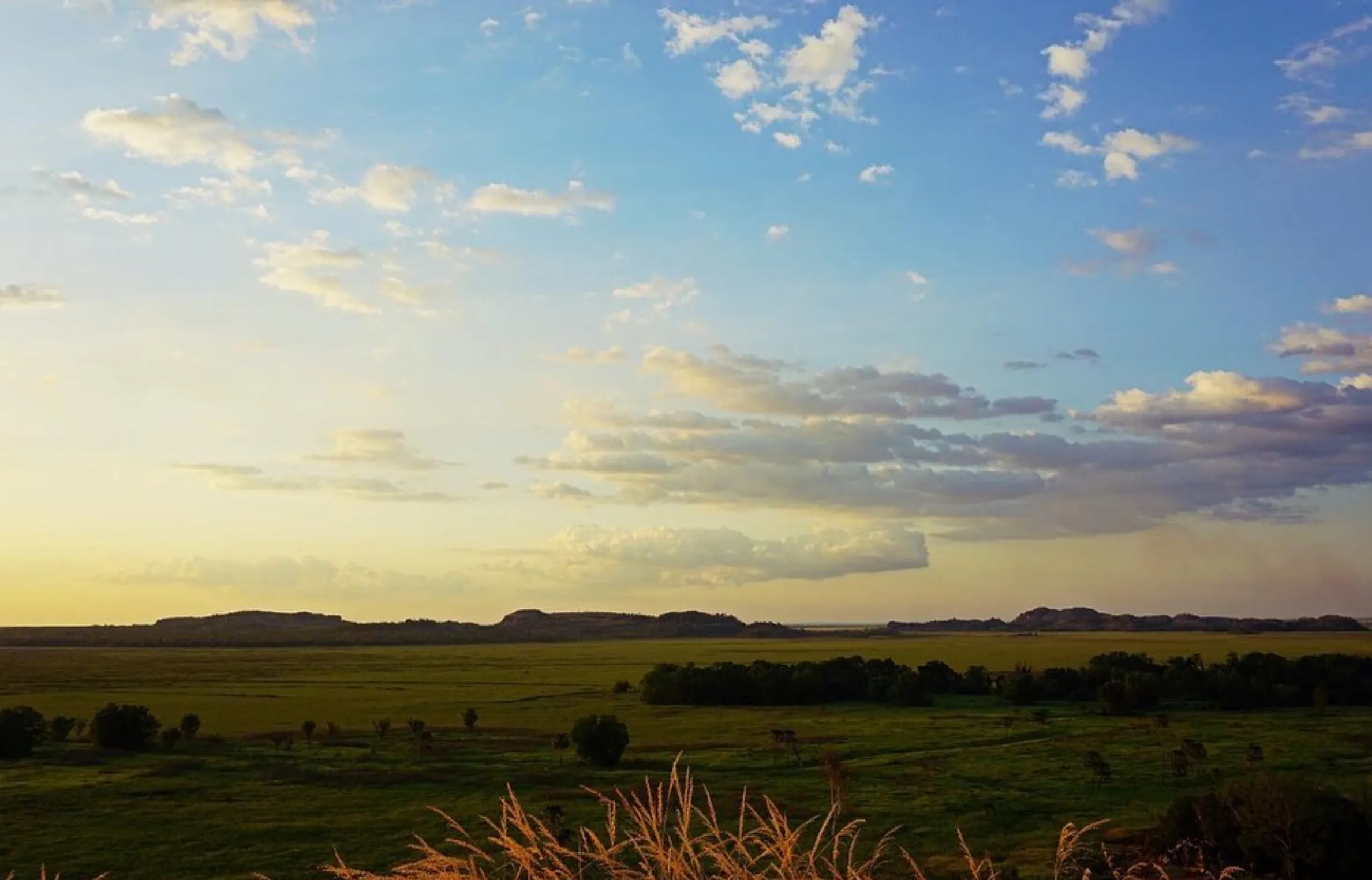
Kakadu is a model of joint management in Australia where governance is shared between Parks Australia and the Aboriginal owners of the park. This joint management model was established through lease agreements, deeds of title and a plan of management after the land was returned to the Traditional Owners through a series of Aboriginal land claims under the Aboriginal Land Rights (Northern Territory) Act 1976.
The land handbacks returned legal ownership to Aboriginal clans, who then leased the land back to the Australian Government. Kakadu’s board of management—made up of a majority of Aboriginal members—makes every decision in the park.
This model enables Indigenous people to be landholders, preserve their connection to land, and ensure cultural continuity and economic security through employment and tourism partnerships.
Role of Parks Australia

Parks Australia, a part of the Australian Government, manages Kakadu day to day. Their job includes:
- Implementing the plan of management developed with Traditional Owners.
- Conserving biodiversity across all ecosystems from tidal flats and wetlands to stone country and woodlands.
- Managing visitor access to sites like Jim Jim Falls, Gunlom Falls, Maguk Falls, Motor Car Falls, and Twin Falls.
- Educating the public through interpretive signage, Warradjan Cultural Centre, and Bowali Visitor Centre.
- Enforcing safety protocols around Saltwater Crocodiles and freshwater crocodiles at hotspots like Yellow Water Billabong and Cahills Crossing, including crocodile warning signs.
Parks Australia Centre staff work with Aboriginal rangers and researchers to monitor healthy country indicators, track invasive species like Asian water buffalo, and protect native wildlife, including endemic bird species, estuarine fish species, and land animals that live in Kakadu.
Role of Traditional Owners
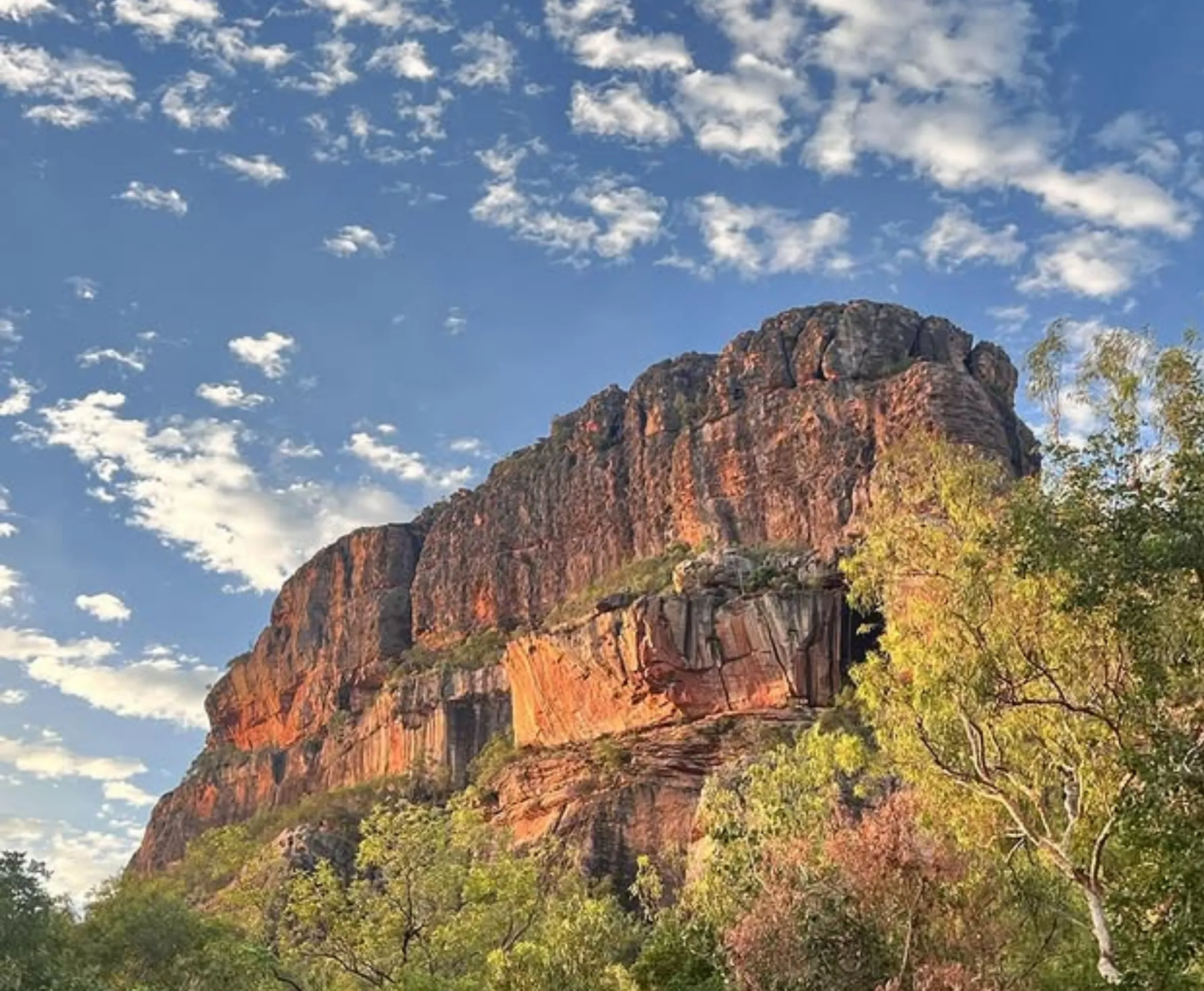
The Traditional Owners—the Bininj/Mungguy people—are the spiritual custodians of Kakadu. Their job includes:
- Protecting sacred sites and ceremonial sites deeply embedded in Dreaming stories.
- Looking after Aboriginal rock paintings, including bark paintings and detailed depictions of early European contact at rock shelters like Ubirr and Nourlangie.
- Applying Indigenous perspectives and traditional ecological practices like controlled burning and sustainable harvesting.
- Sharing amazing stories, elder stories and examples of contact through guided experiences, educational programs and cultural centres.
Places like Injalak Arts, Warradjan Cultural Centre and community centres offer immersive experiences of Aboriginal views and Arts & Culture, insights into life on Aboriginal title lands, crocodile hunting traditions and the resilience of a living culture.
Traditional Owners are also involved in park operations—Indigenous rangers, cultural guides and governance representatives on the board of management. Their ancestral knowledge, spiritual connection to the land and care of Aboriginal art sites mean Kakadu is a place of cultural integrity and biodiversity.
How Does Joint Management Work?
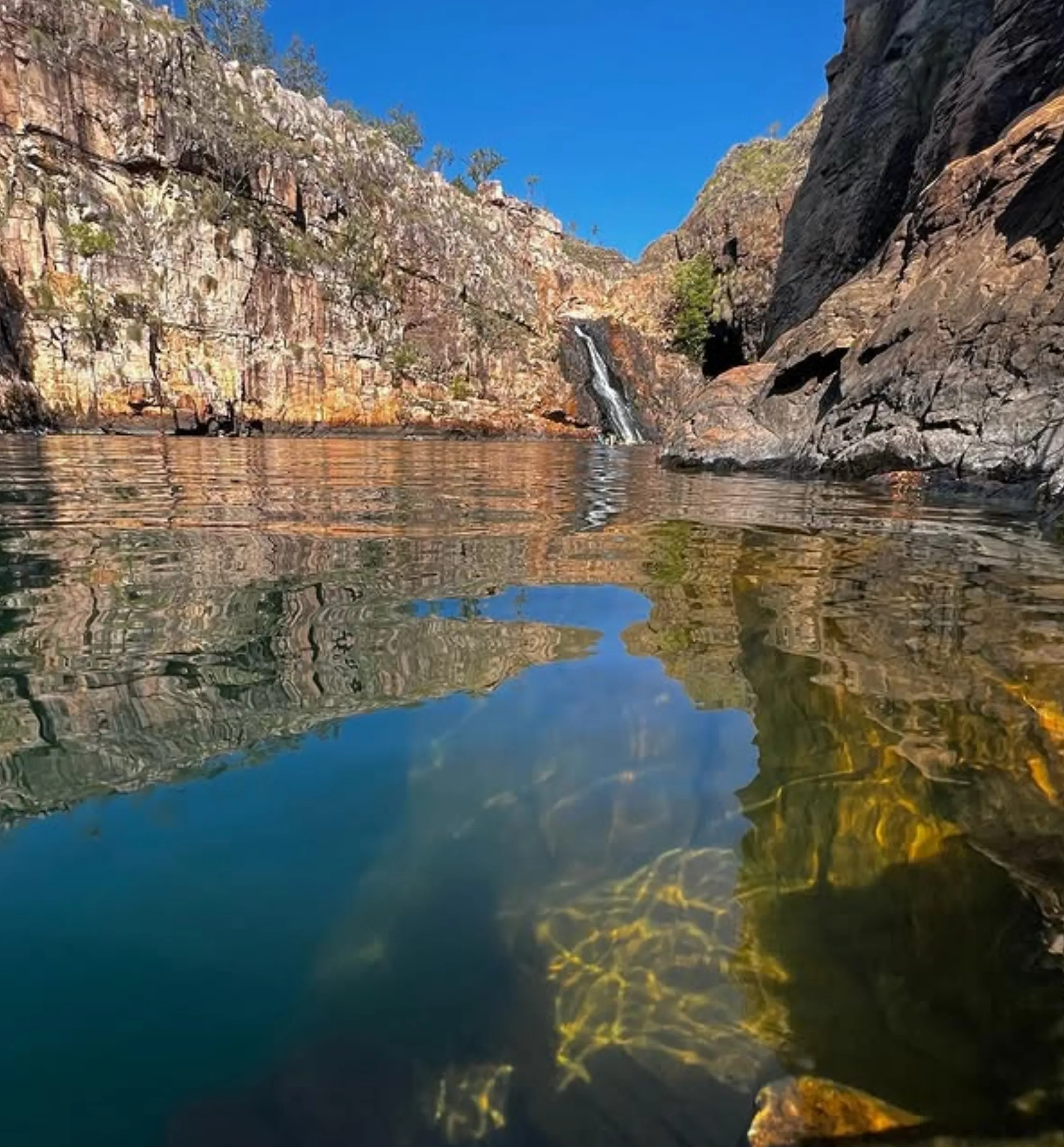
Joint management is formalised through the board of management, where Aboriginal members have the majority. With Parks Australia, they oversee the park’s vision and ensure decisions reflect both conservation values and Indigenous culture.
This joint governance includes:
- Shared decision-making based on traditional knowledge and scientific information.
- Development of healthy country plans, fire management plans and tourism strategies.
- Maintenance of key sites, walking trails and plunge pools like the crystal clear plunge pool at Maguk or the deep pool at Jim Jim Falls.
The management structure recognises Aboriginal landholders and allows Aboriginal people to benefit economically from tourism while maintaining their connection to the country.
Visitor Engagement and Responsible Tourism
As a visitor, you are walking on Aboriginal land with biodiversity and cultural heritage. Responsible travel means:
- Buying a park pass and learning about Indigenous culture at Bowali Visitor Centre and Warradjan Cultural Centre.
- Joining Aboriginal guided Kakadu tours or doing a 2 day Kakadu tour for a cultural and ecological experience.
- Do a Darwin to Kakadu day trip or a Kakadu Day Trip from Darwin to visit Yellow Water, Twin Falls and sacred rock art galleries.
- Following signs around sacred sites, swimming holes and crocodile zones—especially during the wet season when crocodiles are more active.
- Avoiding mineral leases and following directions around historical Aboriginal land claims and protected areas.
By engaging with Indigenous art, visiting cultural centres and understanding joint management, you are part of the effort to keep healthy ecosystems, ecosystems to life and the spiritual landscape of Kakadu National Park.
Final Thoughts
Who looks after Kakadu National Park? Both Parks Australia and the Traditional Owners—together in a unique joint management arrangement. From looking after spiritual sites and biodiversity to recognising Aboriginal land rights and maintaining iconic spots like Yellow Water, Jim Jim Falls and Gunlom Falls, their shared management brings this UNESCO World Heritage site to life.
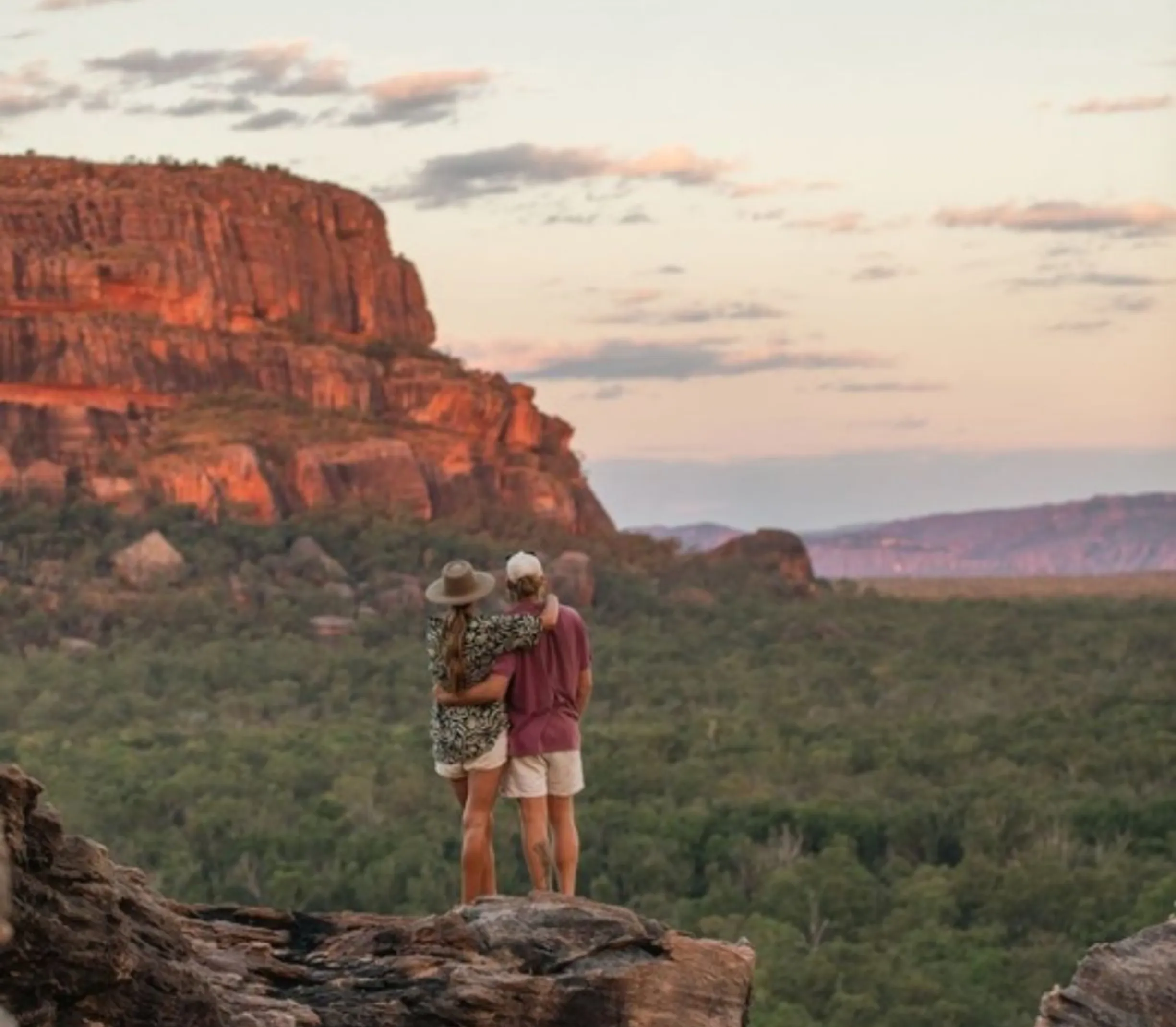
Whether you’re looking at Aboriginal rock art, cruising the Yellow Water Billabong or hiking through stone country, you’re in a landscape shaped by thousands of years of Indigenous knowledge and care—best experienced with a Kakadu tour or on a Kakadu Day Trip from Darwin.
FAQs
Who owns Kakadu National Park?
The land is owned by Aboriginal clans and leased to the Australian Government through formal lease agreements. It is Aboriginal land.
What is joint management?
Joint management means Kakadu is managed by Parks Australia and Traditional Owners through a board of management with a majority Indigenous membership.
How do Aboriginal people manage the park?
Through cultural knowledge, ranger programs and governance roles, Aboriginal people protect sacred sites, care for natural habitats, and educate visitors.
What does Parks Australia do?
Parks Australia manages operations such as conservation, tourism infrastructure, safety protocols and partnerships under the park’s plan of management.
How can tourists support Traditional Owners in Kakadu?
By buying a park pass, joining Aboriginal-led tours, respecting cultural sites and learning from interpretive centres like Bowali and Warradjan.