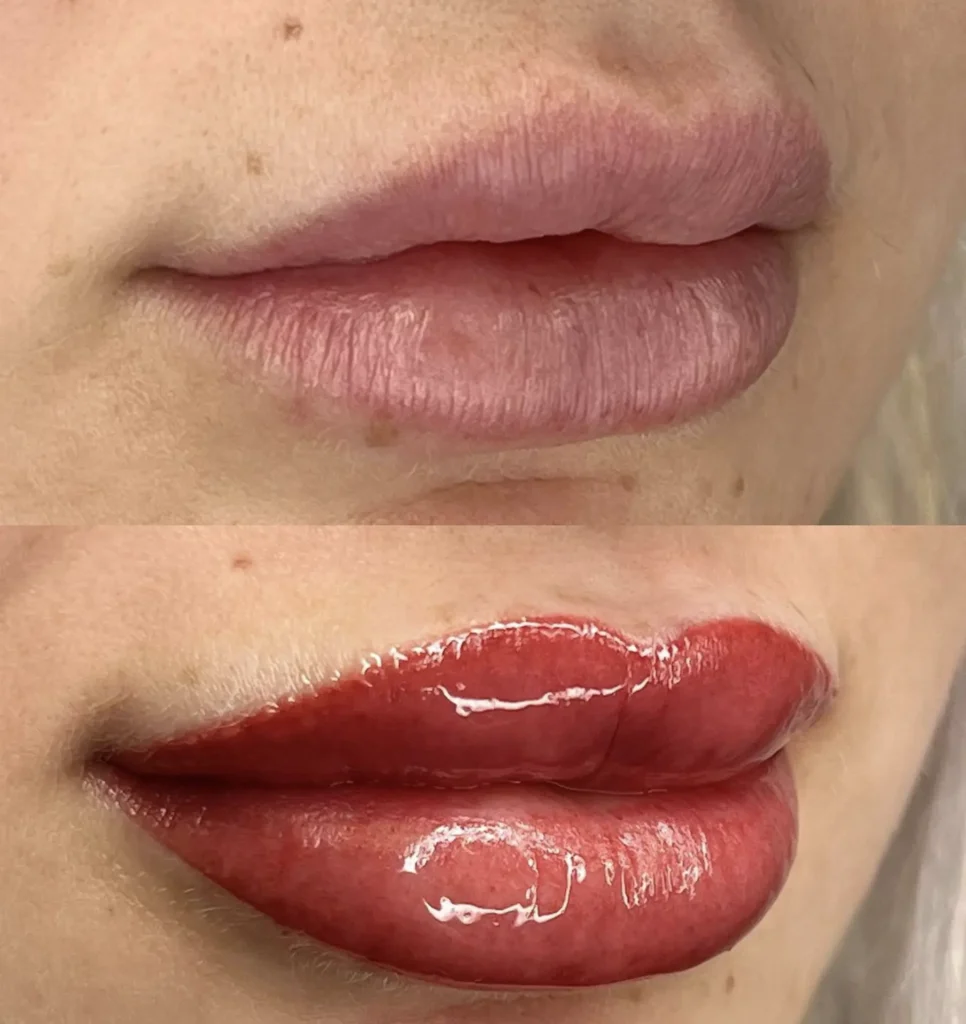
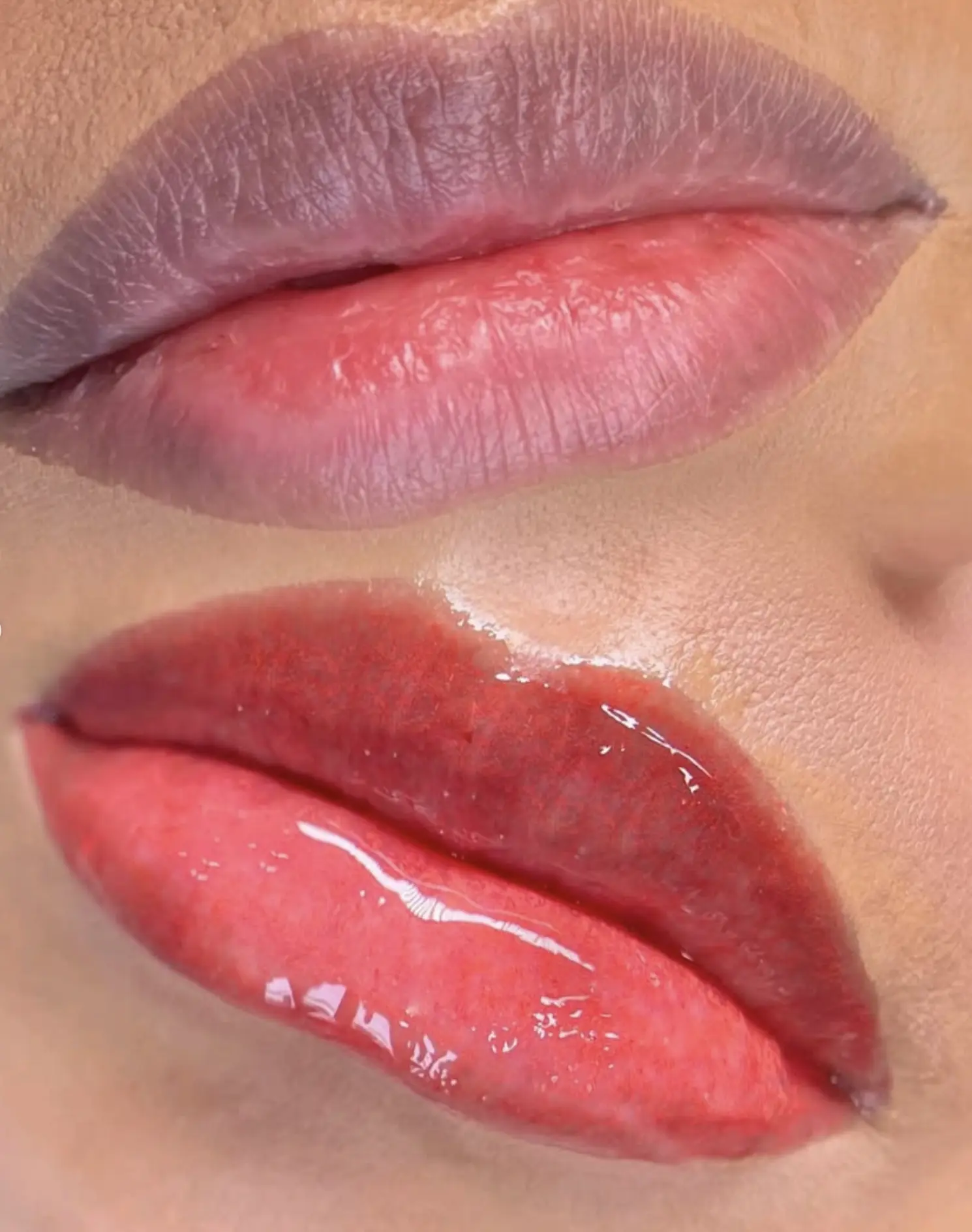
When clients ask us, “What is included in a lip tattoo touch-up?” the real answer is more than just a colour top-up. At Cosmetic Tattoo Studio Brisbane Face Figurati, we see touch-ups as the stage where your lip tattoo truly settles into its final shape and shade. Whether it’s lip blushing, lip tattooing or a Lip Tattoo Brisbane treatment, the refinement stage is what ensures your results look soft, balanced and long-lasting.
Touch-ups aren’t an optional extra — they’re part of the process. Just like a good haircut sometimes needs a little snip a week later, your lips need that second visit to refine pigment saturation, balance lip line symmetry and achieve the final colour that complements your natural lip health and skin tone.
Contents
- 1 Why a Touch-Up Appointment Matters
- 2 What Happens During a Lip Tattoo Touch-Up
- 3 Lip Tattoo Healing Timeline and Touch-Up Window
- 4 Lip Blushing vs. Lip Tattooing: Touch-Up Differences
- 5 Managing Risks: Cold Sores, Fillers, and Sensitivity
- 6 Aftercare for the Best Results
- 7 The Perfection Visit: Your Final Colour Reveal
- 8 Common Myths About Touch-Ups
- 9 Considering Training? Lip Tattoo Course Insights
- 10 Final Thoughts
- 11 FAQ
Why a Touch-Up Appointment Matters
Your initial procedure is just the beginning. The healing process changes how pigments sit in the skin, meaning what looks strong on day one will soften and sometimes fade unevenly. This is why touch-up appointments are scheduled — to correct pigment loss, adjust the lip shape and make sure the lip line heals evenly.
Clients often notice tiny gaps, softer areas or slight unevenness after the healing phase. These are normalб and a qualified and licensed tattoo artist addresses them in the touch-up visit, so the cosmetic procedure ages beautifully over time.
What Happens During a Lip Tattoo Touch-Up
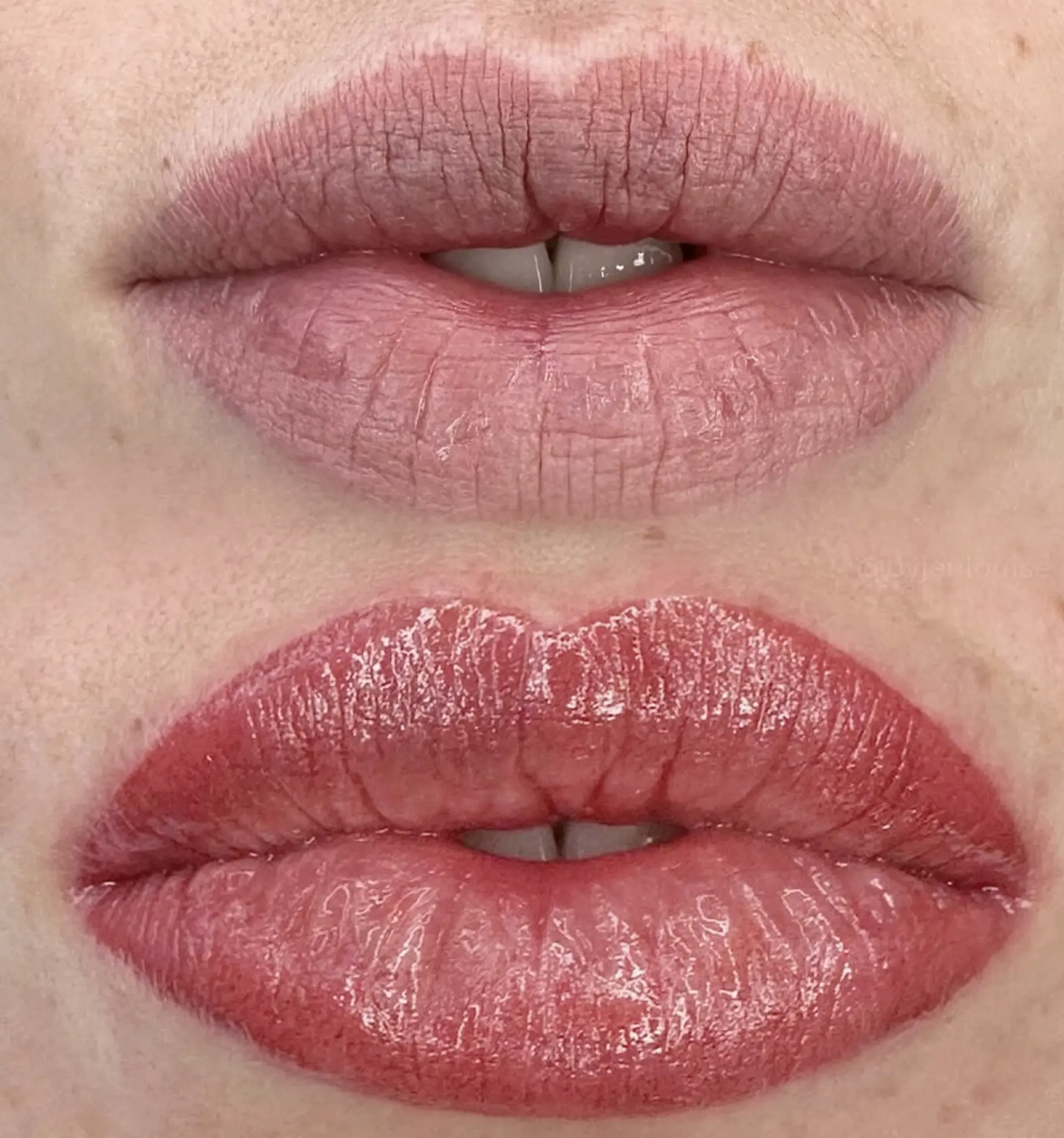
A touch-up is not a repeat of the full treatment — it’s targeted and precise. Here’s what usually happens:
- Review of your healing experience and any changes (such as cold sores, allergic reactions or pigment migration)
- Adjustments to lip shape or lip line, if needed
- Re-application of pigment to areas that faded during the healing phase
- Refinement of pigment saturation for a natural lipstick effect
- Checking for evenness under different lights, ensuring balance
- Application of aftercare balm and updated aftercare instructions
At Cosmetic Tattoo Studio Brisbane Face Figurati, we often explain it as “perfecting your lips,” rather than redoing them.
Lip Tattoo Healing Timeline and Touch-Up Window
Every skin type heals differently, but most clients follow a similar pattern. Here’s a typical healing process and when the perfecting visit (touch-up) is booked:
| Healing Stage | Timeline | What Happens |
|---|---|---|
| Initial Procedure | Day 1 | Lips look bold and defined, pigment saturation is high |
| Peeling Phase | Days 3–7 | Lips flake, colour appears patchy, lip balm is essential |
| Softened Stage | Weeks 2–3 | Colour lightens, lip line looks softer, and some uneven spots are visible |
| Settled Colour | Week 4+ | Pigment stabilises, final colour may appear lighter than expected |
| Touch-Up Appointment | Weeks 6–8 | Cosmetic tattoo artist refines colour, corrects gaps, balances shape |
This healing time allows the skin to recover and for pigment to settle before more tattoo pigments are implanted with the tattoo machine.
Lip Blushing vs. Lip Tattooing: Touch-Up Differences
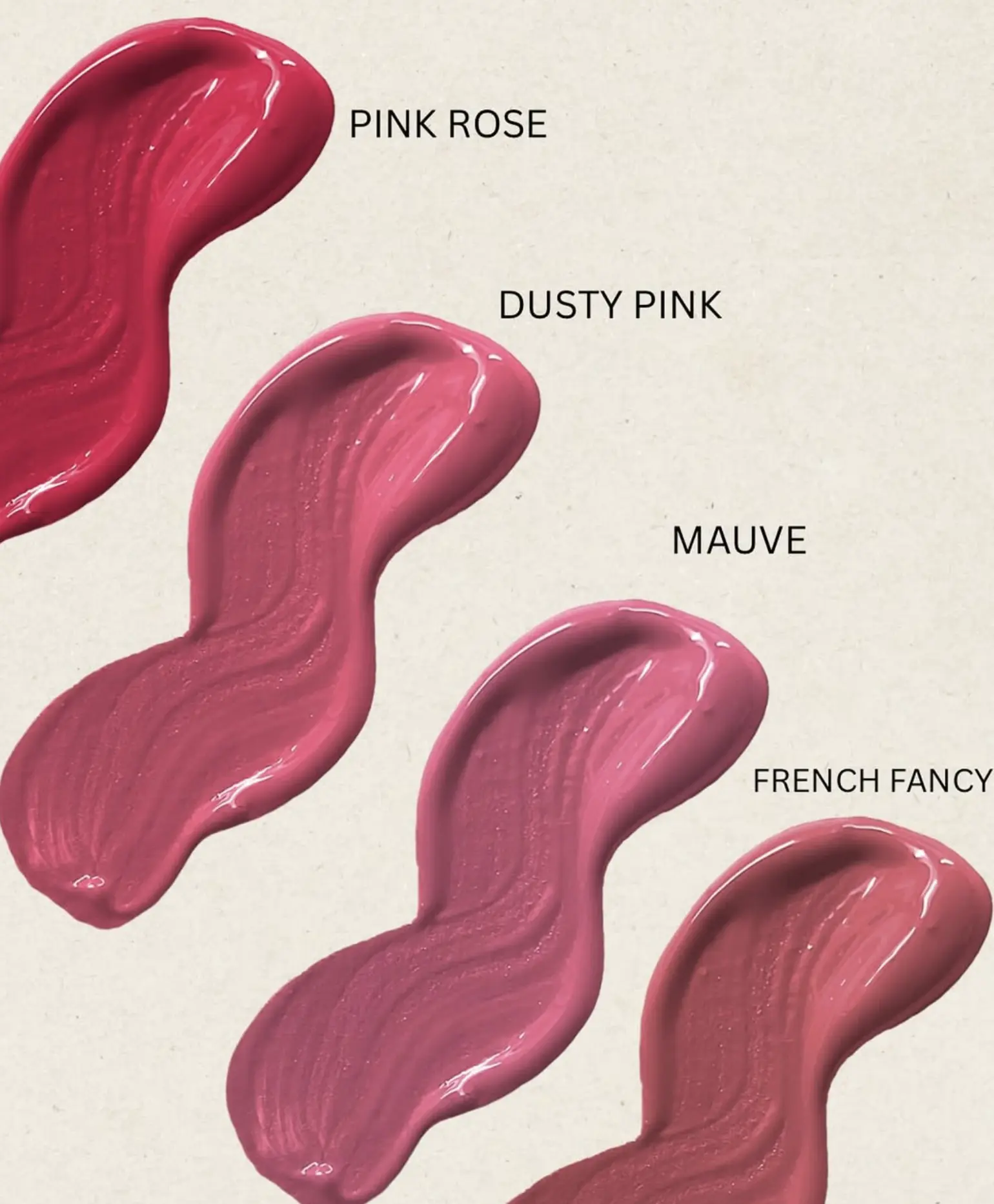
Some clients ask if lip blushing and lip tattooing have different touch-up needs. The answer is yes. Lip blushing, being a semi-permanent lip tinting technique, creates a sheer wash of colour and often requires a stronger second pass for pigment retention. A solid lip tattoo or permanent lip makeup may only need small refinements for the lip line or corners.
If you’re considering both, our personalised treatment plan always takes into account your goals: whether you want a lipstick effect, a subtle blush or something in between.
Managing Risks: Cold Sores, Fillers, and Sensitivity
We often see clients who get cold sores during healing. This is common, as tattooing can trigger dormant viruses. For that reason, we recommend antiviral medication before treatment if you’re prone. If you’ve had dermal fillers or dermal filler injections recently, it’s best to wait a few weeks before your lip tattoo touch-up so swelling doesn’t distort the lip shape.
Pain tolerance also varies. While a topical anesthetic is used, some clients find the touch-up easier than the initial procedure because it’s more focused and less time-consuming.
Aftercare for the Best Results
Your results don’t just depend on the tattoo artist’s technique — aftercare is half the story. During the healing process:
- Apply aftercare balm or healing balm as directed
- Avoid sun exposure and tanning, which can fade pigment
- Stick to gentle skincare products around the mouth
- Do not pick or peel scabs during the healing phase
- Keep lips hydrated with lip balm
We’ll give you written aftercare instructions after every visit because consistency is key to your final colour.
The Perfection Visit: Your Final Colour Reveal
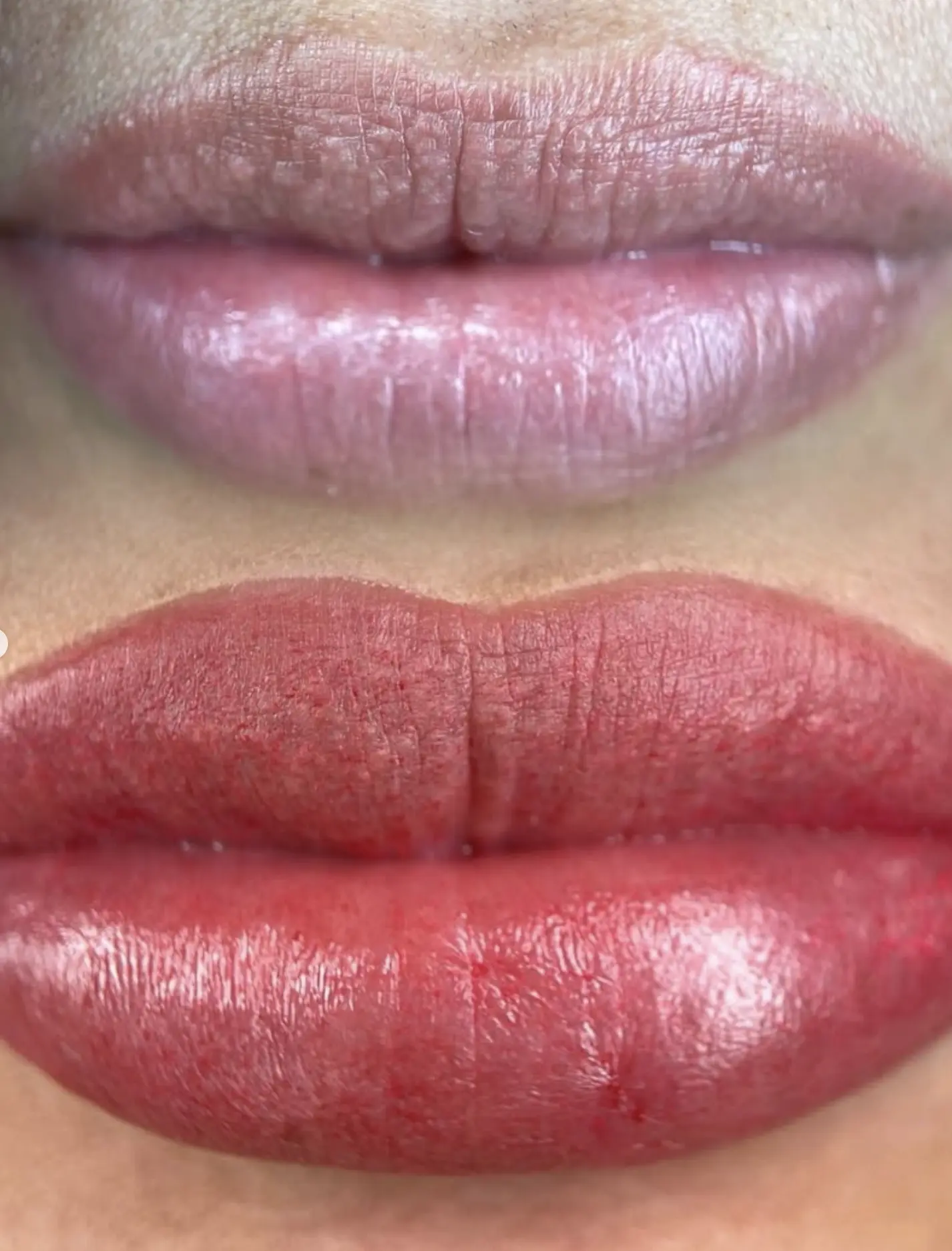
The “perfection visit” is where we balance everything. At this stage:
- The lip line is sharpened (if desired)
- Pigment saturation is deepened where needed
- The final colour is revealed and adjusted for your skin tone
- Any pigment migration or gaps are corrected
Think of it as fine-tuning. By this stage, your Cosmetic Lip Tattoo is not only visible but also healed in a way that matches your skin type, lip health and personal style.
Common Myths About Touch-Ups
“I only need one session.” Not true. Even the best pigments soften during healing, and most clients need at least one refinement.
“Touch-ups are painful.” With topical anesthetics and a lighter approach, most clients say touch-ups are easier than the first session.
“Results last forever after a touch-up.” Semi-permanent makeup will always fade over time. Lip tattooing generally lasts 2-5 years, depending on lifestyle, sun exposure and skincare routines.
Considering Training? Lip Tattoo Course Insights
We get asked by clients interested in learning whether touch-ups are covered in training. A good lip tattoo course should always include modules on touch-up appointments, pigment retention and healing phases – because they are just as important as the initial procedure. At Cosmetic Tattoo Studio Brisbane Face Figurati, we stress this in our education for new cosmetic tattoo artists.
Final Thoughts
A lip tattoo isn’t finished until the touch-up is done. At Cosmetic Tattoo Studio Brisbane Face Figurati, we see every touch-up as the step where the artistry truly shows – balancing colour, shape and lip line for a result that looks natural and lasts. Whether you’ve booked in for lip blushing, permanent lip makeup or lip tattoo Brisbane services, remember your perfect visit is where your final colour shines. Still have questions about lip tattooing or aftercare? Pop us a message – we’re always happy to chat.
FAQ
How long after my initial procedure should I book a touch-up?
Most clients are ready between 6-8 weeks after the healing phase has completed and the pigment has settled.
Can lip tattoo touch-ups trigger cold sores?
Yes, they can. If you’re prone, we recommend antiviral medication beforehand to minimise risk.
What if I’ve had dermal fillers?
You’ll need to wait 3-4 weeks after dermal filler injections before your touch-up, so your lip shape has stabilised.
Do touch-ups cost the same as the initial procedure?
No – touch-up appointments are usually shorter and targeted and lower in cost than the initial procedure.
Will I need more than one touch-up?
For most clients, one touch-up (the perfection visit) is enough. But clients with certain skin types, lip health issues or those wanting a deeper lipstick effect may need a second refinement.
{ “@context”: “https://schema.org”, “@type”: “FAQPage”, “mainEntity”: [ { “@type”: “Question”, “name”: “How long after my initial procedure should I book a touch-up?”, “acceptedAnswer”: { “@type”: “Answer”, “text”: “Most clients are ready between 6-8 weeks after the healing phase has completed and the pigment has settled.” } }, { “@type”: “Question”, “name”: “Can lip tattoo touch-ups trigger cold sores?”, “acceptedAnswer”: { “@type”: “Answer”, “text”: “Yes, they can. If you’re prone, we recommend antiviral medication beforehand to minimise risk.” } }, { “@type”: “Question”, “name”: “What if I’ve had dermal fillers?”, “acceptedAnswer”: { “@type”: “Answer”, “text”: “You’ll need to wait 3-4 weeks after dermal filler injections before your touch-up, so your lip shape has stabilised.” } }, { “@type”: “Question”, “name”: “Do touch-ups cost the same as the initial procedure?”, “acceptedAnswer”: { “@type”: “Answer”, “text”: “No – touch-up appointments are usually shorter, targeted and lower in cost than the initial procedure.” } }, { “@type”: “Question”, “name”: “Will I need more than one touch-up?”, “acceptedAnswer”: { “@type”: “Answer”, “text”: “For most clients, one touch-up (the perfection visit) is enough. But clients with certain skin types, lip health issues or those wanting a deeper lipstick effect may need a second refinement.” } } ] }