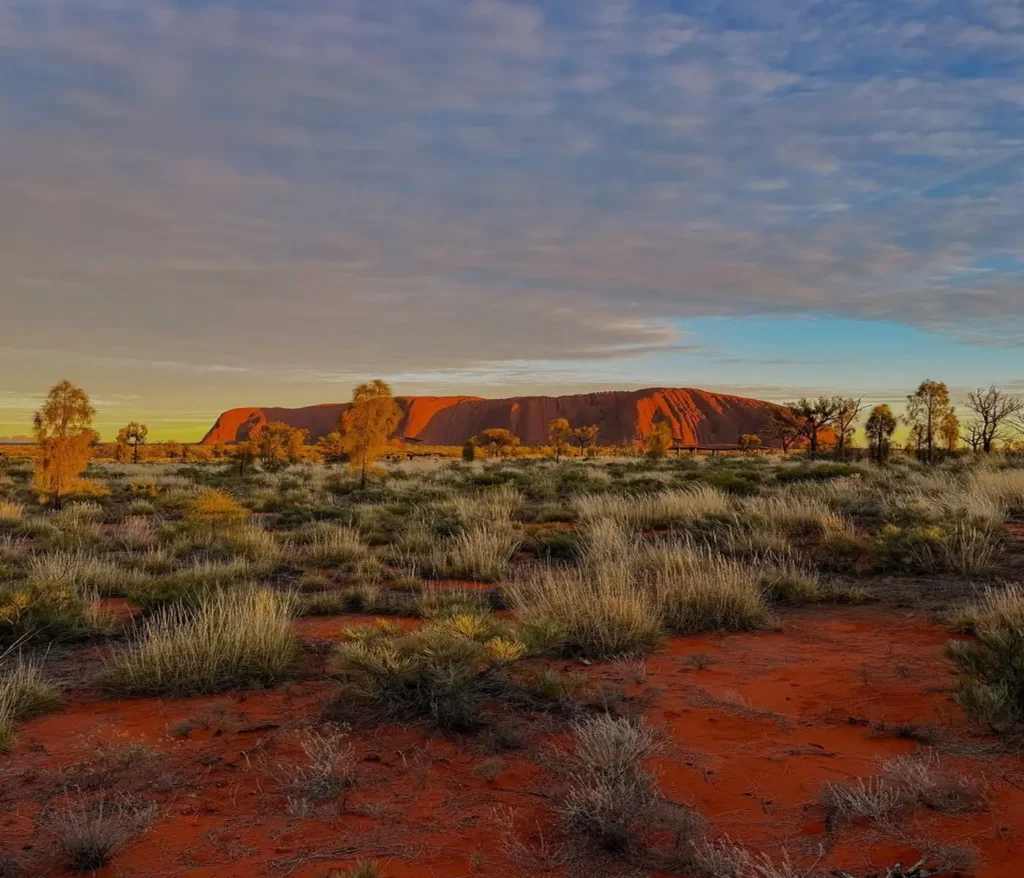
Is Uluru suitable for senior travellers? You bet it is – and I should know – I’ve spent years shepherding all sorts of travellers, from any age group, across some of the most unforgiving tracks in the Red Centre and the Northern Territory. Whether you call it Uluru, Ayers Rock or the beating heart of Uluru–Kata Tjuta National Park – I reckon this place has all it takes to make a great adventure for seniors. And that’s why I’m putting together this guide – just to give you the low down on why Uluru is the perfect destination for seniors. I’ll cover off why it’s a great choice, what you need to plan for, and how to make the most of it without turning yourself into a desert goanna in the process.
Contents
- 1 Why This Red Centre Journey Suits Older Explorers
- 2 Understanding Traveller Demographics
- 3 Accessibility and Terrain: What to Expect
- 4 Comfortable Itineraries for a Well-Paced Visit
- 5 Health, Safety & Comfort Tips
- 6 Respect for Culture — The Heart of Visiting Uluru
- 7 Local Hacks From Years on the Road
- 8 FAQ
Why This Red Centre Journey Suits Older Explorers
Now I know what you’re thinking – Uluru is a bit of a wild place, right? But let me tell you, it doesn’t have to be, if you don’t want it to. With a bit of planning, you’ll find it’s actually very accessible and loads of fun for seniors. That’s why many older travellers choose Uluru – it offers the perfect balance of adventure and ease.
So what are the benefits? Well, here are a few things that I reckon are worth knowing:
- Getting around the Uluru Base Walk, Kuniya Walk and main viewing areas is easy and accessible – you don’t need to be a super fit person to take it all in.
- The roads are mostly sealed from Ayers Rock Airport and Alice Springs, so you won’t need a 4WD to get to your destination.
- Transfer times within the Ayers Rock Resort area are pretty short, so you can get where you need to go in no time.
- There are heaps of support services available too – think wheelchair accessible pathways, sensory-friendly activities and help with mobility if you need it.
- And the beauty of it is, you don’t need to be a 4WD expert with a team of support personnel on standby to make the most of it – this part of the NT is actually pretty straightforward to navigate.
Understanding Traveller Demographics
To give you an idea of how senior-friendly the region already is, here’s a snapshot based on NT Tourism’s visitor demographic data (potentially variable – last accessed 2024):
| Age Group | Percentage of Visitors | What This Tells Us |
|---|---|---|
| 55–64 yrs | ~23% | Strong participation — many choose cultural tours and guided walks |
| 65+ yrs | ~17% | Seniors feel confident and supported travelling here |
| Under 35 yrs | ~32% | Mixed demographic — calm, comfortable visitor mix |
| Families | ~28% | Balanced atmosphere, good facilities and visitor centres |
If you’re in your golden years, you certainly won’t be the only one enjoying the desert sun.
Accessibility and Terrain: What to Expect
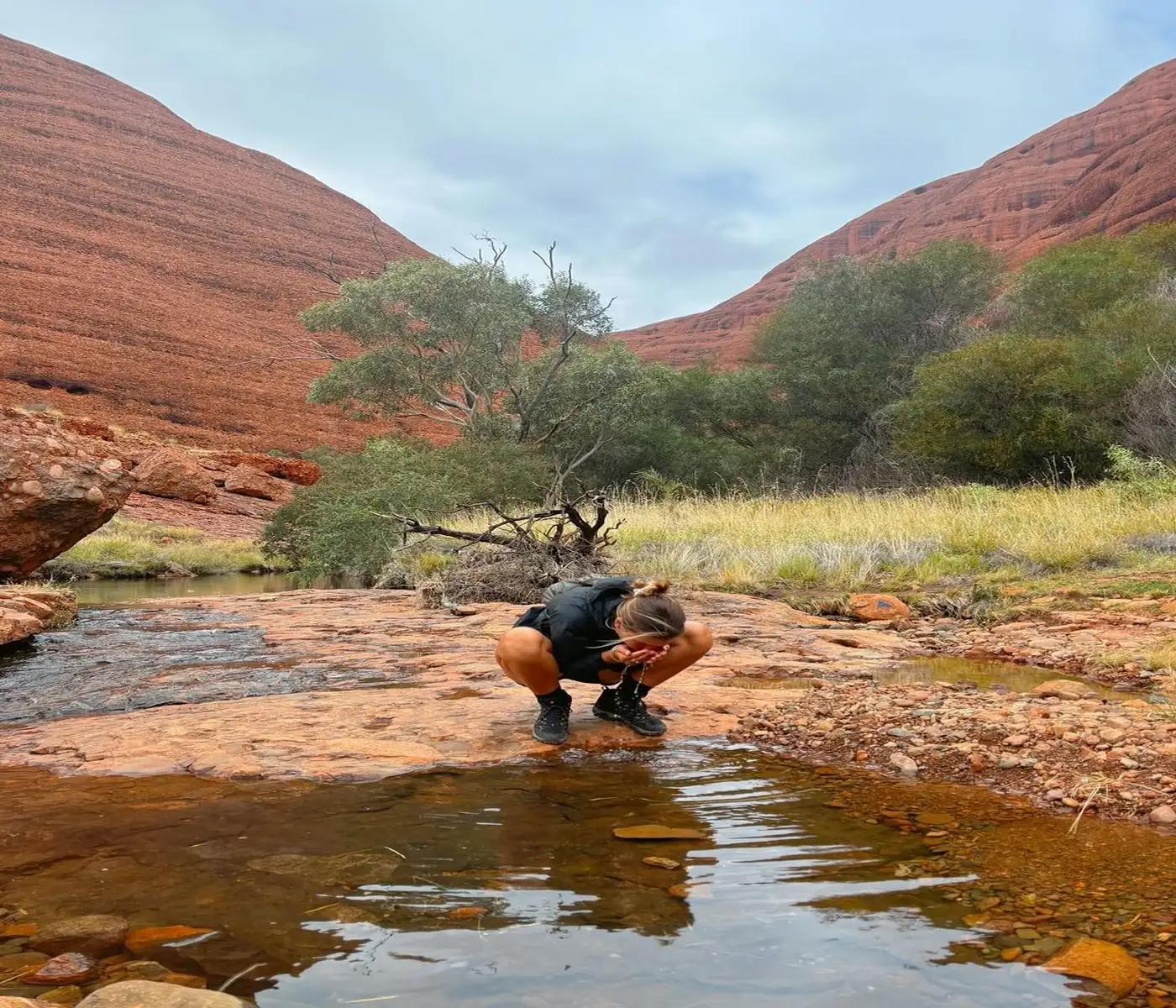
Before you lock anything in, let’s get a better feel for what the terrain, heat, pathways and distances are actually like on the ground. I’ve had the privilege of leading groups through The Olgas (Kata Tjuta) and Kings Canyon, and of guiding walks at Uluru on some scorching and icy mornings – and let me tell you, accessibility has come a long way in recent years.
Weather and the Seasons
The desert has a bit of a mood swing:
- May to September: It’s cooler – a much better time for seniors to visit.
- October to April: It gets hot, and not just a bit toasty – we’re talking bloody hot at times. It’s best to limit your midday walking during this time.
If the Top End has its wet and dry seasons, Uluru’s got its own take on the weather – the ‘bearable’ and the ‘bring three litres of water’ seasons.
Walking Tracks — What Seniors Need to Know
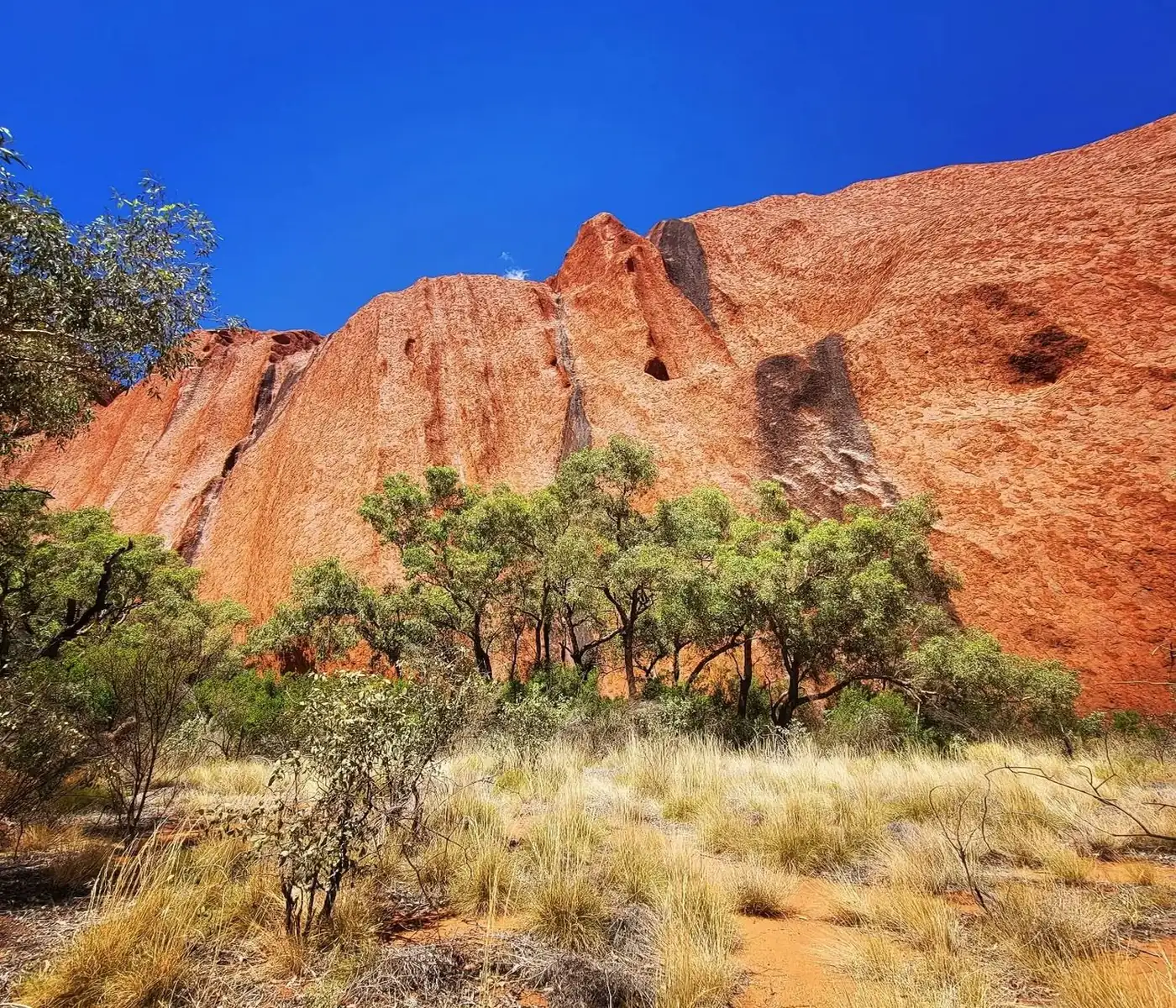
All the major tracks are well marked, mostly flat and pretty easy to adjust your pace to suit your needs.
Uluru Base Walk (10.6 km)
- Nice and flat terrain
- You can do it in sections if you want a more relaxed walk – and there are guided base walks to help make it more enjoyable
- Shuttle drop-offs are a bonus for getting around
Kata Tjuta: Walpa Gorge & Valley of the Winds
- Walpa Gorge: Nice and gentle gradient, although there are some rocky bits – it’s fine for active seniors who don’t mind a bit of challenge
- Valley of the Winds: A bit more demanding – but if your mobility is limited, you can choose to do just a section or two.
The first time I took a group through Walpa Gorge, a couple of retirees went hammer and tongs while others hung back at the rock art sites and cave paintings. Everyone ended up finishing with a big grin – and that’s the beauty of being able to set your own pace.
Wheelchair & Mobility Access
You’ll find top-notch accessible pathways at:
- Talinguru Nyakunytjaku – grab a sunrise spot at this fantastic platform
- Mutitjulu Waterhole – a must-do on the Kuniya Walk
- Uluru Cultural Centre – a great place to stop and take it all in
- Key lookouts which offer simply stunning views of Uluru at sunset
Comfortable Itineraries for a Well-Paced Visit
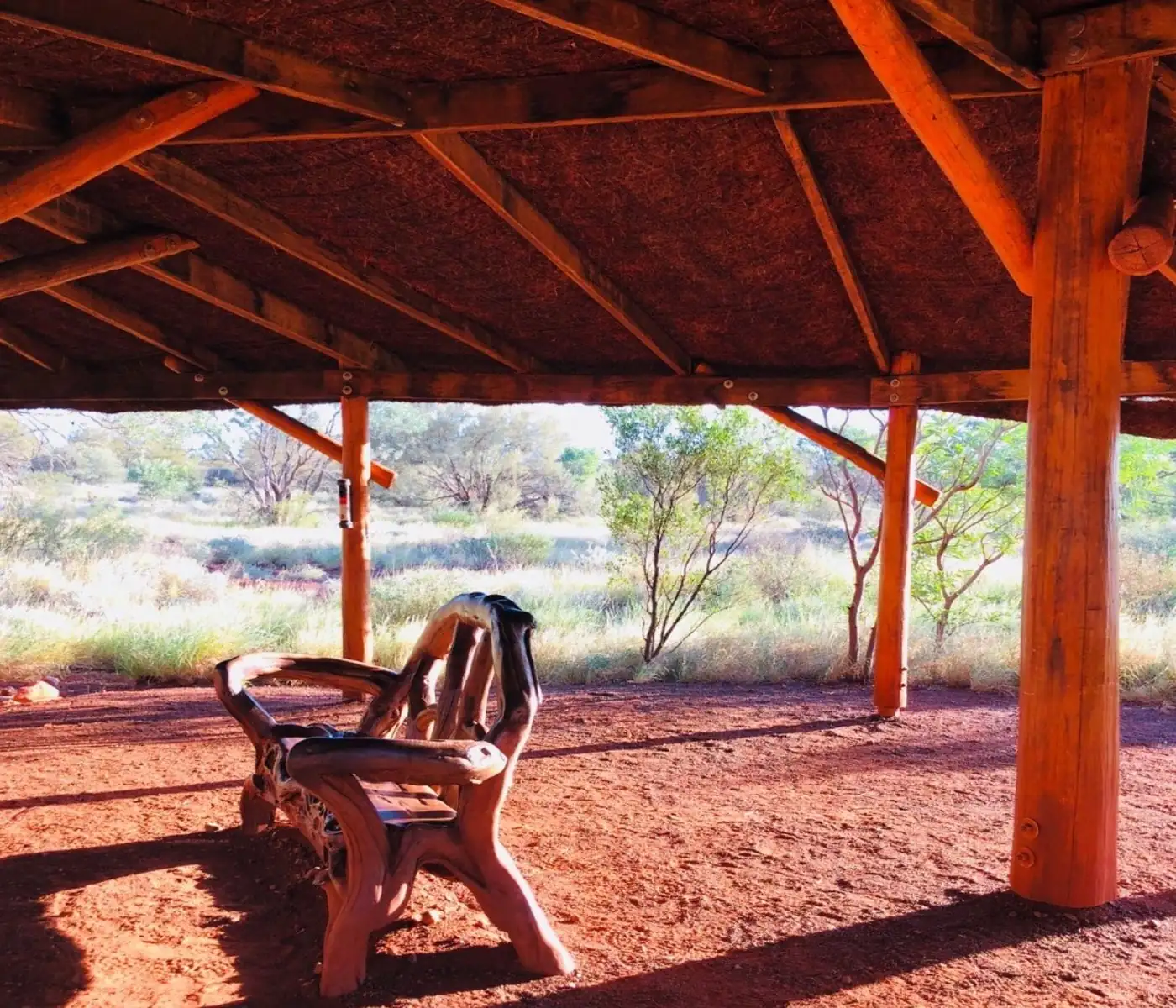
Some people want to pack as much as possible into their Red Centre trip; others are looking for a relaxed, laid-back cultural experience with plenty of time to potter. I’ve got three senior-friendly itineraries that I often recommend to help you make the most of your visit.
1. A Gentle Two-Night Getaway
- Grab a spot to watch the Uluru sunset
- Take a leisurely stroll around the Mutitjulu Waterhole
- Visit the Cultural Centre – it’s a must-do
- If you fancy it, catch the Bruce Munro light installations – Tili Wiru Tjuta Nyakutjaku is a great one to see
2. A Three-Night Cultural Journey
- Take sections of the Uluru Base Walk at your own pace
- Explore the beautiful Walpa Gorge
- Do some art at the Maruku Arts Dot Painting Workshop – it’s a great way to get an intro to Aboriginal art
- Get some insider knowledge with a ranger-led talk on Dreamtime stories, local geology and sacred sites like Mala Puta
3. A Four-Night Red Centre Adventure
Perfect for anyone who’s still got some energy:
- Take the Uluru Base Walk in smaller, more manageable chunks
- Do the short Valley of the Winds walk – the views are just incredible
- Take a scenic flight over Uluru-Kata Tjuta National Park
- Day trip to Watarrka National Park for some Kings Canyon walking (choose Kings Creek Walk if you’ve got any mobility issues)
Health, Safety & Comfort Tips
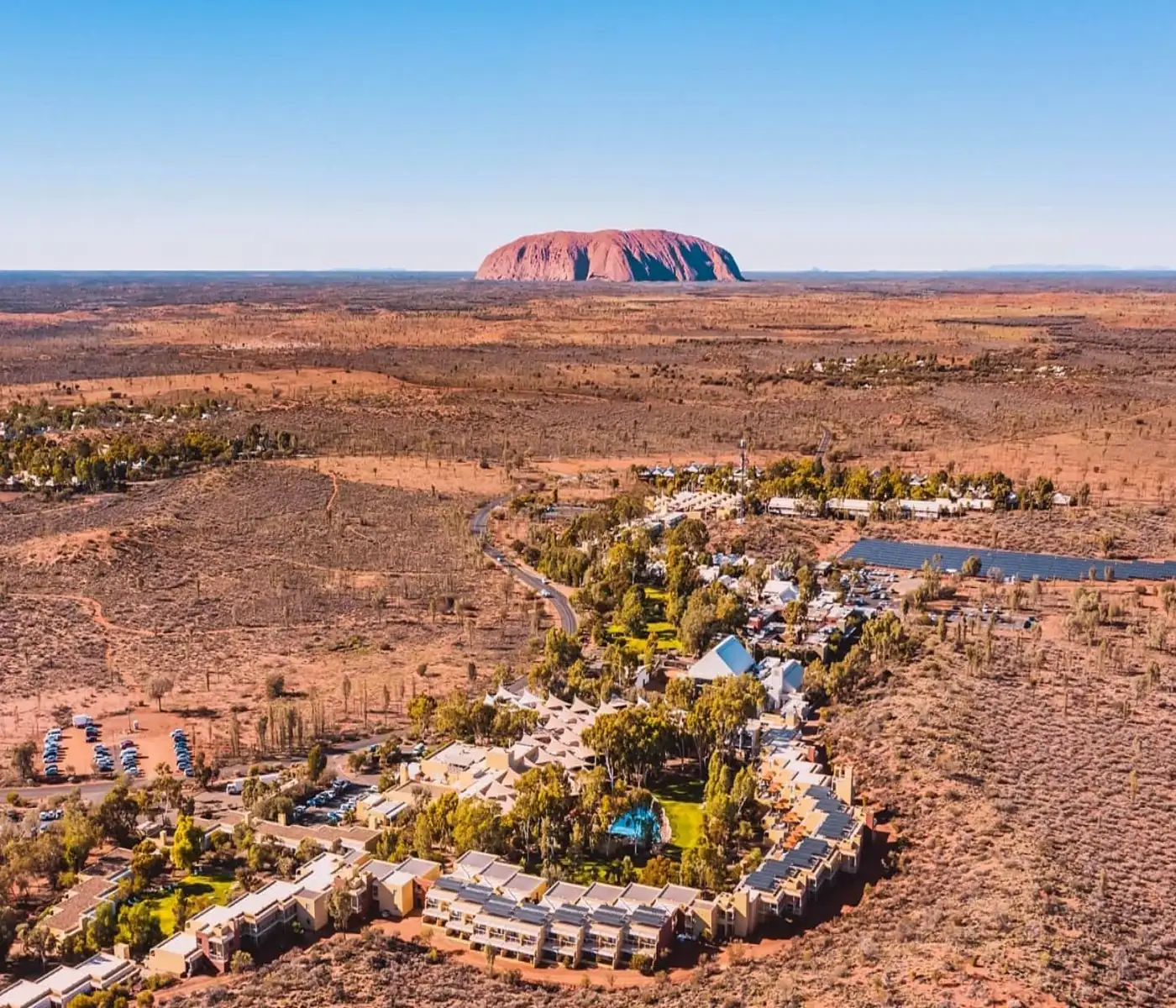
I’m not going to sugar-coat it – the desert can be a challenging place. But with a few simple tips, you’ll be set for a fantastic time.
Staying Hydrated
The air here is drier than the surface of a Tuesday in Alice!
- Drink at least 2–3 litres a day, and make sure you’re using some electrolytes as well
- Start hydrating early so you don’t get caught out
Managing the Heat
The sun here doesn’t mess about, so be prepared:
- Carry a hat, some good sunscreen, water, and light, long sleeves
Footwear
Don’t come out here in your old sneakers. Instead, opt for:
- Lightweight hikers that won’t fall apart on you
- With a good grip, so you don’t slip and fall
Medical Considerations
If you’ve got any health concerns, don’t worry – Yulara has:
- A medical centre to help you out
- Emergency services on hand
- Transport connections to Alice Springs if you need to get to a bigger hospital
By the way, if you’d rather leave the logistics to someone else, Ayers Rock tours are a breeze to book, and there are loads of operators like AutopiaTours who cater to slower travel styles without rushing the experience.
Respect for Culture — The Heart of Visiting Uluru
Uluru is a living, breathing cultural landscape – a UNESCO World Heritage zone where the traditional owners share their stories through cultural tours, ranger talks and guided walks.
When I first sat down to listen to an Anangu ranger at Kantju Gorge tell stories about sacred sites and Dreamtime stories, a moment just hit me in a way that even the most stunning sunrise snap just couldn’t
Some things to keep in mind and respect:
- Listen to your Indigenous guide – they’re the experts
- Don’t go poking your nose into areas that are marked off-limits
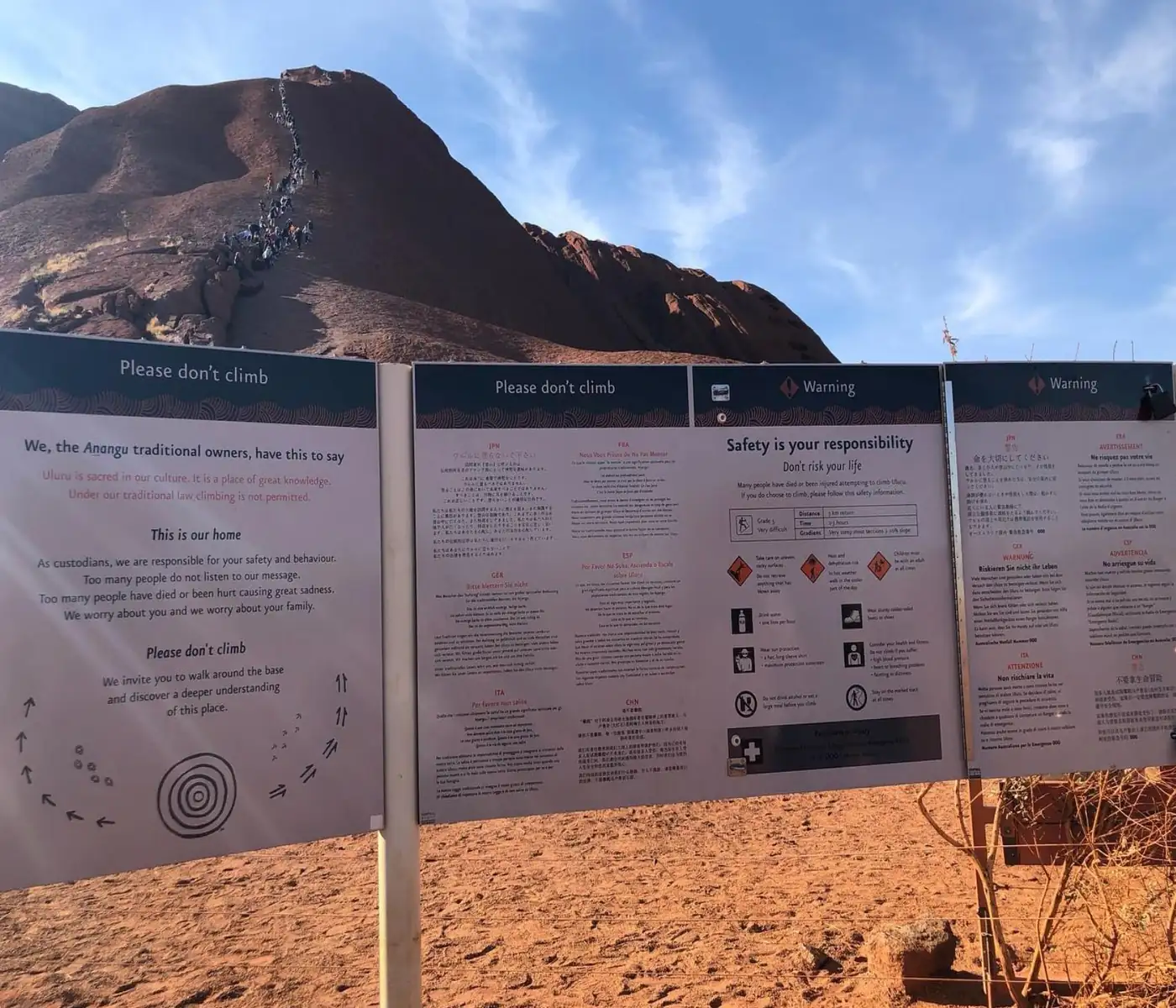
- Take the time to learn about Mala Puta, the creation stories and why climbing Uluru is no longer something we can do.
Local Hacks From Years on the Road
- Buy a fly net – trust me on this one, you don’t want to be the one getting eaten alive.
- If you can, try to avoid the midday heat – I know it’s hard to resist, but that desert sun is a real scorcher.
- When you are booking your accommodation, make sure to get something close to the hub – like the Desert Gardens Hotel or the Sails in the Desert. Both are fantastic.
- Sunrise gets icy, so be sure to pack a jumper.
- If you like art, there are heaps of great galleries in Yulara that are just begging to be explored.
- If you are heading out or back via South Australia, some of the better stops to make along the way include Coober Pedy, Umoona Opal Mine, Wadlata Outback Centre, Curtin Springs Station, and Port Augusta – all of which are great senior-friendly stops on the long desert highway.
FAQ
Can seniors with limited mobility still visit Uluru?
Absolutely. Plenty of the walking tracks around Uluru have accessible pathways, and there are shuttle services to help you get around the longer bits.
Is it going to be too hot for older travellers?
Travelling from May to September is generally the most comfortable, but if you are going in the hotter months, just stick to the early mornings and evenings, and you should be okay.
Are guided Uluru tours better for seniors?
More often than not, having an outback driver-guide handle the logistics, pace and safety for you is a huge plus, especially on longer trips to Kings Canyon or Kata Tjuta.
Is Uluru safe for travellers over 70?
Yeah, it’s fine – just do the basics – drink plenty of water, keep the sun off your skin, and pick a walking track that suits your ability, like the Walpa Gorge or Kings Creek Walk.
What else can seniors enjoy around Uluru?
There are heaps of cultural tours, a camel ride at sunrise, scenic flights, art workshops, plus there are heaps of gentle walking tracks you can explore near The Olgas.